Geopolitics as a leading indicator in forex
Forex markets often reflect geopolitical tension before headlines emerge, as currencies respond rapidly to changing risk sentiment, capital flows, and expectations surrounding global economic and political developments.
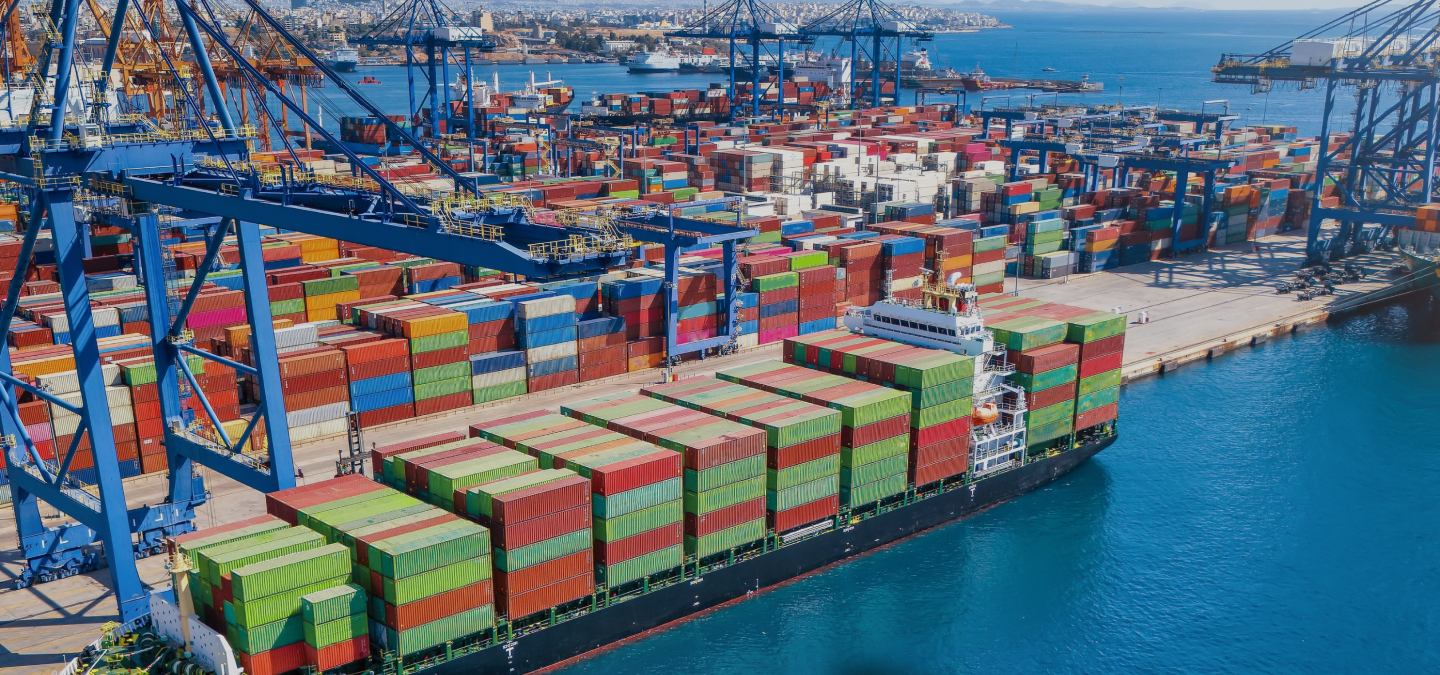
Geopolitical developments influence all financial markets, but their impact often appears in forex before it becomes fully visible elsewhere.
Currency markets respond rapidly to changes in uncertainty, capital flows, and global risk perception. As geopolitical tension begins to build, forex positioning can shift ahead of broader market recognition or headline confirmation.
This makes currency markets an early reflection of changing global conditions.
Forex reacts quickly to uncertainty
Currency markets are highly sensitive to shifts in macro and geopolitical expectations.
Unlike other asset classes, forex trades continuously across regions and time zones, allowing information to be absorbed into pricing almost immediately. As uncertainty increases, capital begins to reposition toward perceived stability or away from exposed economies.
These adjustments often occur before geopolitical developments become fully apparent in broader markets.
Safe-haven flows emerge early
During periods of geopolitical tension, investors typically seek defensive positioning.
This can lead to increased demand for currencies perceived as stable or liquid, while currencies linked to higher risk exposure may weaken. These flows reflect changes in sentiment rather than confirmed economic impact.
Forex markets therefore begin adjusting to anticipated conditions before they are fully realised.
Capital movement reflects changing expectations
Geopolitical risk alters how capital is allocated globally.
Trade disruptions, sanctions, policy responses, or regional instability can influence growth expectations and investment flows. Currency markets price these changes rapidly because exchange rates are directly linked to relative economic outlook.
As expectations evolve, positioning adjusts accordingly.
Headlines often follow positioning
By the time geopolitical developments dominate headlines, markets may already be partially repriced.
Forex participants continuously assess probabilities and risk scenarios. Price movement therefore reflects not only current conditions, but expectations of what may follow.
This forward-looking structure allows currencies to act as an early indicator of shifting global sentiment.
Volatility increases during geopolitical repricing
Periods of geopolitical tension often lead to higher volatility across currency markets.
As participants reassess exposure, liquidity conditions can change quickly, amplifying movement. Currencies with stronger sensitivity to trade, commodities, or regional growth may react more aggressively.
Volatility reflects repositioning as much as uncertainty itself.
Forex provides insight into global risk perception
Currency markets do not simply respond to geopolitical events — they reflect how markets interpret and price them.
Because forex is driven by relative positioning and continuous liquidity, it often signals changing conditions before broader market narratives fully develop.
In this way, currencies function as an early indicator of geopolitical risk.























.jpg)